
How to Write Resume Bullet Points Without Inventing Metrics
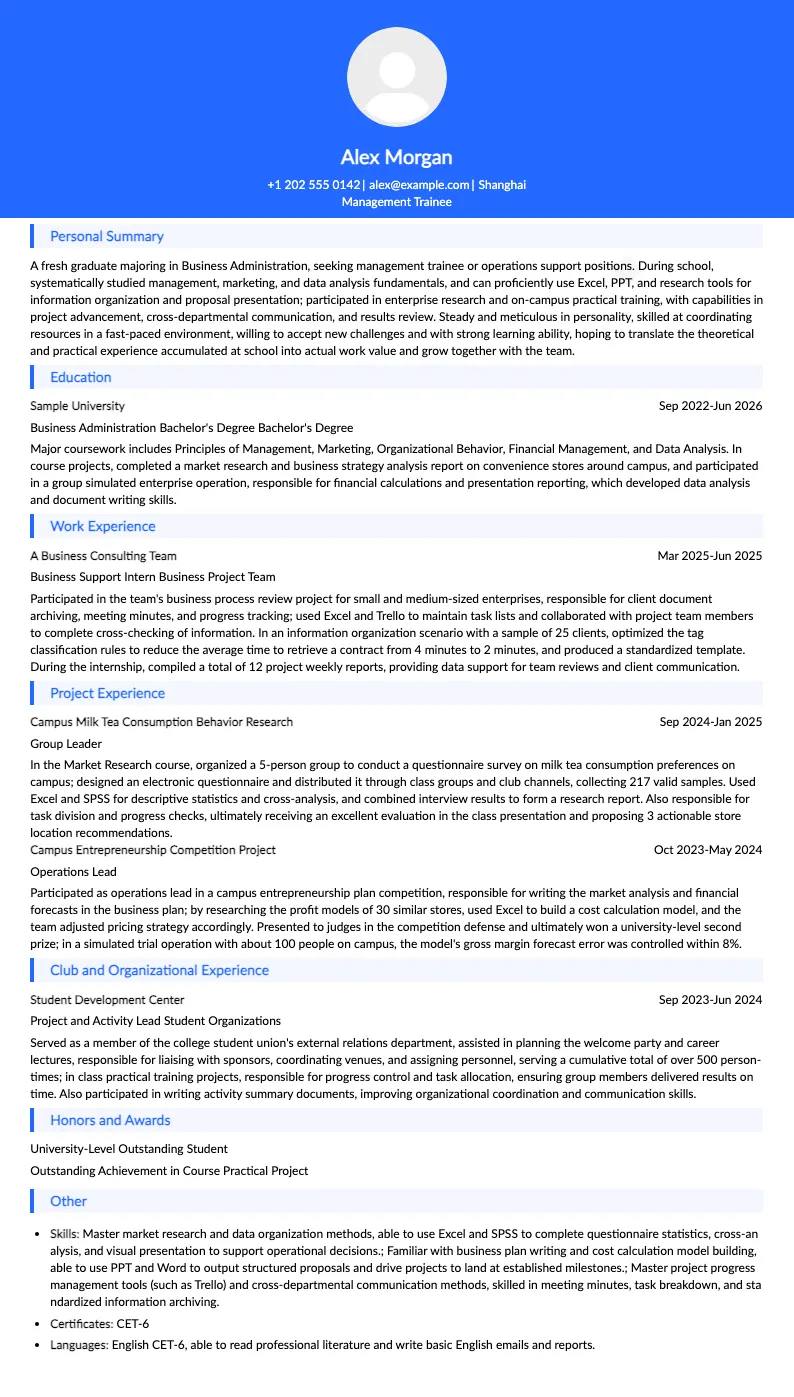
Turn responsibilities into clear evidence of your contribution. Use concrete examples, honest scope and useful outcomes when reliable metrics are unavailable.
Start with a contribution you can explain
A useful experience bullet tells a reader what you did, where you did it and why the work mattered. You do not need an impressive percentage in every sentence. You need a statement you can support in a conversation. Begin with one project, recurring responsibility or practical improvement that you remember well.
Create a rough evidence note before polishing the sentence. Record the problem, your own role, the tools you actually used and what happened afterward. Separate your contribution from the whole team’s work. Keep confidential customer names, internal numbers and restricted technical details out of both the note and your application.
Use action, scope and evidence
A practical drafting pattern is: action + specific work + relevant context + observable outcome. This is a writing aid, not a required formula. A short bullet may contain only three of these parts if the missing context is already clear from the role heading.
Choose a verb that matches your responsibility. Built, tested, documented, reconciled and coordinated describe different contributions. Led is appropriate when you had that responsibility; it should not replace helped just to sound senior. Avoid adding ownership that belonged to a manager or another team.
Illustrative rewrite, not a claim about your experience:
Before: Responsible for API testing.
After: Added regression tests for account recovery endpoints and documented failure cases for the release checklist.
The second version is more specific without inventing a speed improvement or a coverage percentage.
Use numbers when you can verify them
A verified count, time range, service level or financial result can make scope easier to understand. Check how the number was measured and whether you are allowed to disclose it. An approximate figure should be identified as approximate when that distinction matters. Do not manufacture a baseline to calculate a dramatic improvement.
When reliable metrics are unavailable, name an observable deliverable or change. Examples include a release checklist used by a team, an exception report reviewed each week, a resolved failure case or documentation added to an onboarding process. These are useful forms of evidence if they reflect what actually happened.
- Scope: Which service, process, group or type of request did the work cover?
- Contribution: What part did you personally design, implement, review or coordinate?
- Evidence: What deliverable, decision, resolved problem or recorded result can you describe?
- Boundary: What is uncertain, confidential or attributable to the wider team?
Tailor the evidence to a real job description
Read the target role for responsibilities and tools that overlap with your experience. Move the most relevant supported bullet earlier in the role. Use the employer’s terminology only when it describes the same work accurately. Mention a technology because you used it, not merely because the description contains its name.
Keep another useful bullet when it shows a different capability, such as collaboration or careful testing. Repeating the same technology in every line does not add evidence. If the role requires a skill you do not have, a resume wording change cannot close that gap; plan learning or find a more suitable role instead.
Review each bullet before exporting
Read the sentence aloud and remove words that repeat the job heading or add no information. Check dates, tense and punctuation for consistency. Ask whether a recruiter outside your current employer could understand the terms. Expand a niche internal acronym or replace it with a plain description.
If you use AI to improve phrasing, compare the suggestion with your evidence note. Delete invented metrics, tools, leadership claims and business outcomes. In JoyResume, treat the text as a draft you review, then check the final PDF for line breaks and legibility. A stronger sentence presents your experience clearly; it does not guarantee an interview.